Warning I May Start Talking About Jesus: A Designer Review
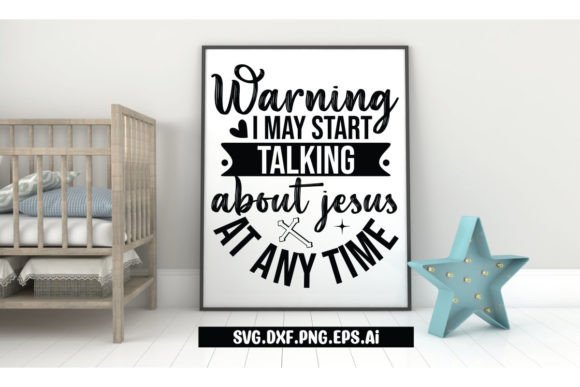
As a designer who has spent years navigating the intersection of digital graphics and physical thread, I approach every new machine embroidery design with a critical eye. It is not enough for a file to look good on a screen; it must survive the rigors of digitization, stitching, and real-world wear. Recently, I evaluated a bold graphic titled Warning I May Start Talking About Jesus. This piece immediately caught my attention not just for its message, but for its potential as a statement-making asset in a craft business or personal project portfolio.
First Impressions and Visual Personality
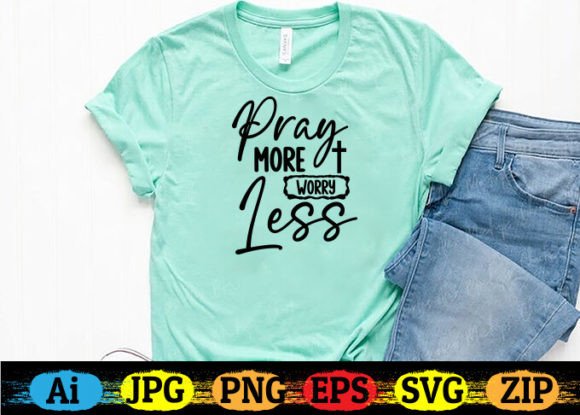
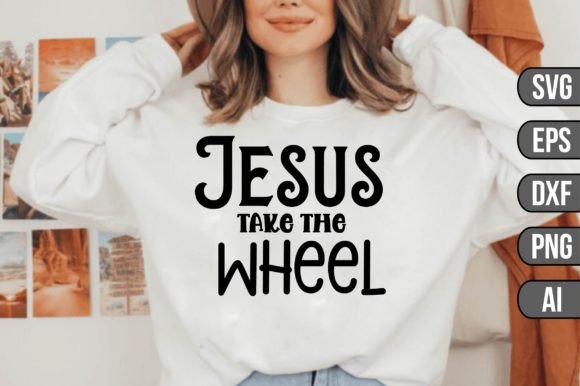
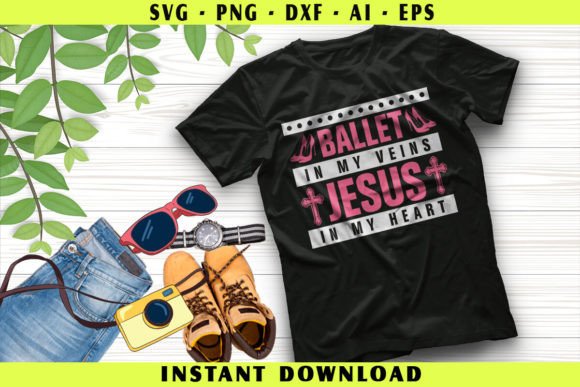
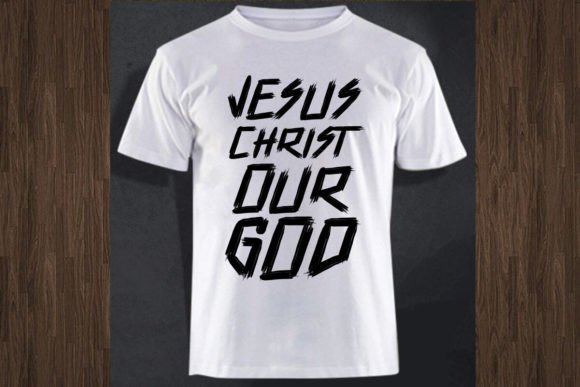
The initial impression of Warning I May Start Talking About Jesus is one of confident humor mixed with sincere conviction. In the realm of T-Shirt Designs, this type of graphic stands out because it breaks the fourth wall. It invites conversation before the wearer even speaks. Visually, the layout relies on strong typography rather than complex illustrative elements. For an embroidery project, this is often a blessing. Complex illustrations can sometimes struggle with stitch density and registration issues, whereas bold text allows for clean satin stitches and crisp fill patterns that hold up well over time.
When reviewing the provided Graphics assets, the clarity of the lines suggests a design ready for conversion into a robust machine embroidery design. The mood it creates is approachable yet firm, making it suitable for a wide demographic ranging from church groups to casual streetwear enthusiasts. The shape of the text block feels balanced, which is crucial when planning placement on curved surfaces like caps or the chest of a sweatshirt.
A Real-World Scenario: The Custom Tote Bag Project
To truly test the viability of this design, I imagined a specific use case: preparing a custom embroidered tote bag for a local boutique's holiday collection. The goal was to create a handmade product that felt premium yet accessible. I visualized placing Warning I May Start Talking About Jesus on a sturdy canvas tote in a deep navy blue. Using a high-contrast white thread would make the message pop, while a subtle gold outline could add a touch of elegance.
In this scenario, the design serves as the focal point. Because the text is the primary element, the stitch density becomes the deciding factor for success. If the digitizer packs the letters too tightly, the fabric might pucker, ruining the drape of the tote. However, if the spacing is correct, the result is a durable, professional-looking item that customers will want to carry daily. This particular phrase works exceptionally well on bags because it acts as a conversation starter, effectively marketing the brand through the user's lifestyle.
Performance Across Different Fabrics and Products
While the design shines on structured items like totes and pillow covers, its performance varies across different materials. On custom apparel such as heavy cotton t-shirts, the design should perform admirably. The thickness of the shirt provides a stable base for the hoop, minimizing shifting during the stitching process. However, when considering sweatshirt embroidery, one must be cautious about the fleece texture. The nap of the fabric can sometimes obscure fine details, so ensuring the lettering size is adequate is vital.
For smaller items like embroidered patches or baby clothes, the scale becomes a challenge. Baby embroidery requires soft, non-abrasive stitching. If the font includes sharp serifs or tiny decorative elements, they might irritate sensitive skin or get lost in the weave of a onesie. Similarly, on caps and hats, the curved surface demands a design that wraps naturally without distorting the text. Warning I May Start Talking About Jesus needs to be sized correctly to avoid the "smile" effect where the bottom of the text stretches unnaturally over the cap brim.
Where Caution Is Required
Not every application is ideal for this design. On thin fabrics like chiffon or silk, the weight of the thread required for legible text could overwhelm the material. Stretchy fabrics, such as jersey knit, require significant stabilization to prevent the design from warping when worn. Additionally, dark fabrics demand careful selection of underlays to ensure the top thread colors remain vibrant. Without proper backing, the text might appear dull or muddy against a black background.
Detailed corners and tiny lettering are also potential pitfalls. If the design is scaled down too much for a small hoop size, the individual stitches may merge, causing the message to become illegible. This is particularly important for holiday embroidery projects where quick production times might tempt a crafter to rush the setup. Always prioritize readability over miniaturization.
Technical Considerations for the Professional Maker
For those looking to sell finished items or offer this as a digital embroidery file, technical preparation is key. The product description notes that you will get 100% editable files including AI, EPS, SVG, DXF, PNG, and JPG formats. While these vector and raster files are excellent for printing or resizing, remember that an embroidery machine cannot read an SVG directly without digitization. You will need to convert these design assets into your machine's specific format, paying close attention to how the software handles the text conversion.
Before committing to a final run, always test the design on scrap fabric first. Check the thread color contrast against your intended material. Review the stitch count and density settings within your embroidery software to ensure the machine won't jam or pull the fabric. Confirm your hoop size matches the design dimensions; forcing a large design into a small hoop is a recipe for disaster. Use a proper stabilizer—tear-away for woven fabrics and cut-away for knits—to support the weight of the thread.
Furthermore, inspect the small details in a black and white mockup before adding color. This helps identify any gaps in the fill stitch or uneven spacing between letters. Compare how the design looks on light versus dark fabric backgrounds to ensure versatility. Finally, verify the licensing terms. While the product mentions instructions and mockups, confirm whether you have the right to sell the finished commercial embroidery products or if the license restricts you to personal use only. As an Etsy seller or small shop owner, protecting your business from copyright issues is paramount.
Impact on Brand and Customer Trust
Ultimately, using a design like Warning I May Start Talking About Jesus affects more than just the aesthetics of a garment. It influences customer trust and brand consistency. A poorly stitched design with loose threads or misaligned text signals low quality, regardless of how catchy the phrase is. Conversely, a professionally executed piece enhances the perceived value of the finished product.
For a craft business, offering items with clear, high-quality embroidery demonstrates attention to detail. It shows that you care about the durability and presentation of your goods. When a customer receives a personalized gift or a small shop product with crisp, readable text, their engagement increases. They are more likely to return for future purchases and recommend your work to others. Whether used for wedding gifts, nursery decor, or everyday accessories, the quality of the execution reflects directly on your reputation as a maker.
In conclusion, Warning I May Start Talking About Jesus is a versatile and engaging graphic that holds significant potential for embroidery designers. With careful planning regarding fabric choice, stabilizer use, and digitization settings, it can transform simple textiles into meaningful, high-value items. By treating this design with the respect it deserves and following best practices for machine embroidery, you can create products that resonate deeply with your audience.